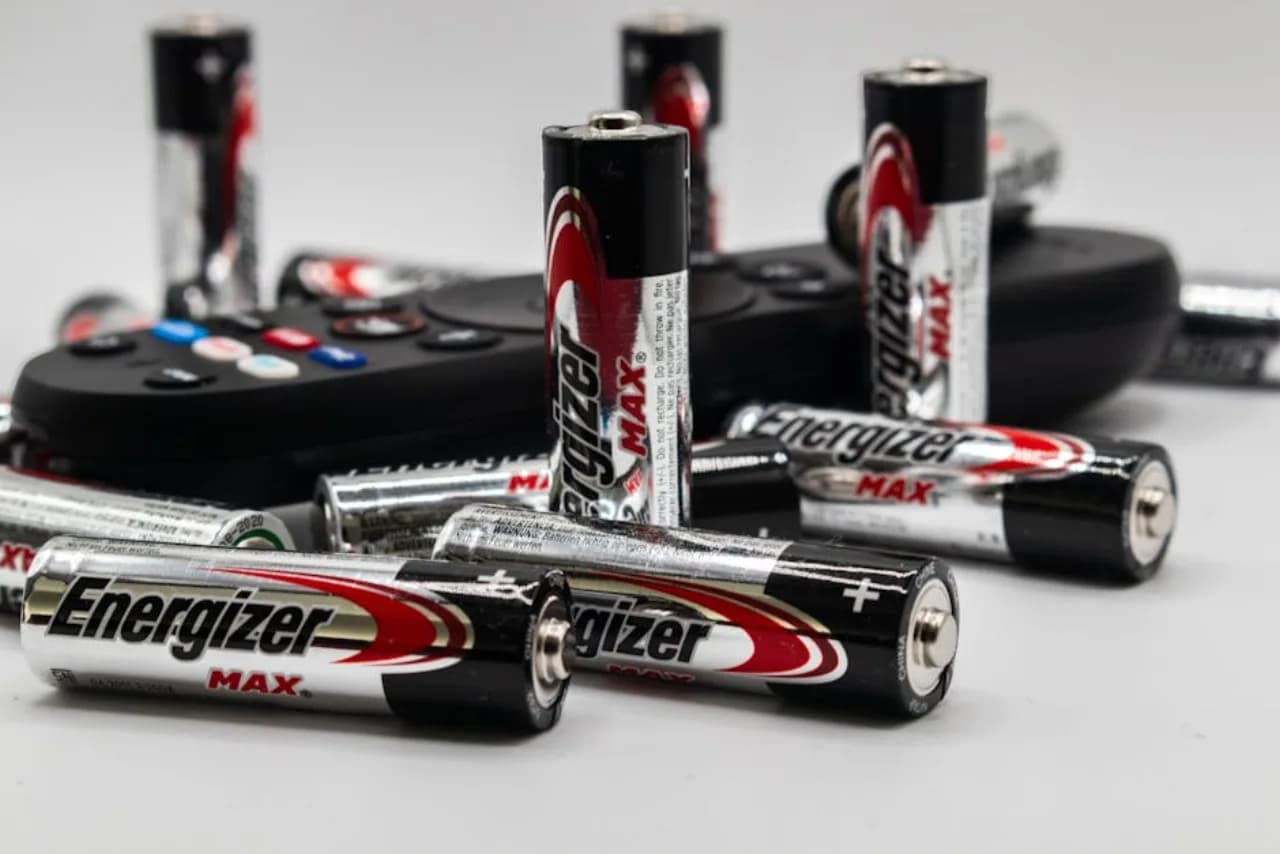
Battery (cordless) electric throwers
Top cordless models for 2026
| Model | Voltage | Throat | Battery runtime | Throw distance |
|---|---|---|---|---|
| EGO SNT2114 | 56V | 21" | 45 min on 7.5 Ah | 12 m |
| Toro 60V Power Max e26 | 60V | 26" | 60 min on 7.5 Ah | 14 m |
| Snow Joe 24V-X2 | 48V (2×24V) | 18" | 40 min | 8 m |
| Greenworks Pro 80V | 80V | 20" | 45 min on 5 Ah | 11 m |
When cordless beats gas
- Driveway under 12 m
- Annual snowfall under 200 cm
- Storms typically under 25 cm
- Garage outlet for charging
- Cold-soak protection: keep batteries indoors between uses
- 01EGO SNT2114: 24" throat, 5 Ah included, 40 ft throw — best balance
- 02Toro Power Max e26: 26" throat, two-stage, 50 ft throw — top of class
- 03Greenworks Pro 80V: 22", budget cordless option
- 04Snow Joe iON18SB: 18", smallest, walkways and steps only
Corded electric throwers
Corded models for sidewalks and small driveways
- Toro Power Curve 1800 — 15 A, 18" throat, $250–$320
- Greenworks 22102 — 13 A, 20" throat, $220–$290
- Snow Joe SJ620 — 13.5 A, 18" throat, $200–$270
When corded works
- Small surfaces — stairs, balcony, condo walkway, 2–5 m walkway
- Always within 15 m of an outlet
- Snow under 20 cm depth
When gas is still the right call
Conditions that favour gas
- Commercial routes (continuous duty over 90 min/day)
- Rural driveways (no plug to charge)
- Above 60° latitude (battery capacity drops sharply below –25 °C)
- Heavy wet snow regions (Halifax, Vancouver Island, Saint John)
- Driveways over 15 m or 250 sq m of paved surface
- Three-stage requirement (no battery three-stage exists yet at consumer level)
Best gas alternatives at the cordless price point
| Cordless | Equivalent gas | Premium |
|---|---|---|
| EGO SNT2114 ($1,500) | Ariens Path-Pro 208cc ($1,100) | –27 % gas wins on price |
| Toro 60V e26 ($1,800) | Toro Power Max 826 OE ($1,500) | –17 % gas wins |
| Snow Joe 48V kit ($900) | Cub Cadet 1X 21LHP ($800) | –11 % gas wins |
Battery care — making a $400 pack last 8 winters
Lithium-ion in winter is not abusive use — it’s just temperature-sensitive use. Five habits separate the people whose batteries die at year three from the people getting their full warranty out:
- Charge indoors at 15–25 °C, not in the unheated garage. Charging below 0 °C is what permanently damages cells
- Run cold, charge warm — the battery survives a −20 °C run; it does NOT survive a −20 °C charge. Bring it inside for 30 minutes before plugging in
- Store at 40–60% charge for off-season (April–October). Full charge accelerates capacity loss
- Avoid full discharge — stop using when the gauge hits 15% and swap to the second battery. Repeated zero-out cycles kill cell longevity
- Clean terminals with a dry brush — salt residue from the operator’s gloves shortens contact life by 30%
Real-world battery degradation curves
| Battery age | Capacity (well-cared) | Capacity (abused) |
|---|---|---|
| Year 1 | 100% | 92% |
| Year 3 | 95% | 71% |
| Year 5 | 88% | 52% |
| Year 7 | 80% | 38% (unusable for a full storm) |
| Year 10 | 72% (still serviceable) | replaced |
A $400 5 Ah battery cared for properly lasts 8–10 winters — cheaper per storm than a small-engine carburettor rebuild every other year on a comparable gas thrower.
When the gas thrower still wins
Three driveway profiles where 2026 batteries still lose to gas — by a margin worth the extra noise:
- Long rural driveways (over 100 m) — you’ll out-run two batteries in the back half of a single storm. Gas with a 5 L tank covers two full storms
- Three or more back-to-back storms — charge cycles can’t keep up with continuous clearing days. A gas thrower with a jerry can wins
- Wet, dense slush above +1 °C — EV motors draw peak amps continuously and dump battery; a 6 hp gas engine doesn’t care
Most Canadian suburban driveways under 25 m and under three back-to-back storm days = cordless wins. Beyond that envelope, gas is still the smart purchase in 2026.
Questions, answered.
How long does a battery snow thrower last in Canadian cold?
A 5 Ah battery delivers 35–50 minutes at -10 °C; 25–35 minutes at -25 °C. Two batteries hot-swapped covers most suburban driveways in a single storm.
Can I leave the battery in the garage all winter?
Most manufacturers recommend storing lithium-ion batteries between 10 °C and 25 °C. Garage storage below 0 °C accelerates capacity loss. Keep batteries indoors and pop them on the thrower before going out.
What about charging time?
Most 5 Ah batteries charge in 60–90 minutes on the standard charger and 35–50 minutes on a rapid charger. For back-to-back storms, owning two batteries is more important than fast charging.
Are electric throwers loud?
Quieter than gas, but not silent. The Toro Power Max e26 measures ~78 dB at operator ear — about half the perceived loudness of a gas equivalent. You can run one at 6 am without waking neighbours; gas at 6 am gets you a noise complaint.