What Thunder Bay winter actually demands from a crew.
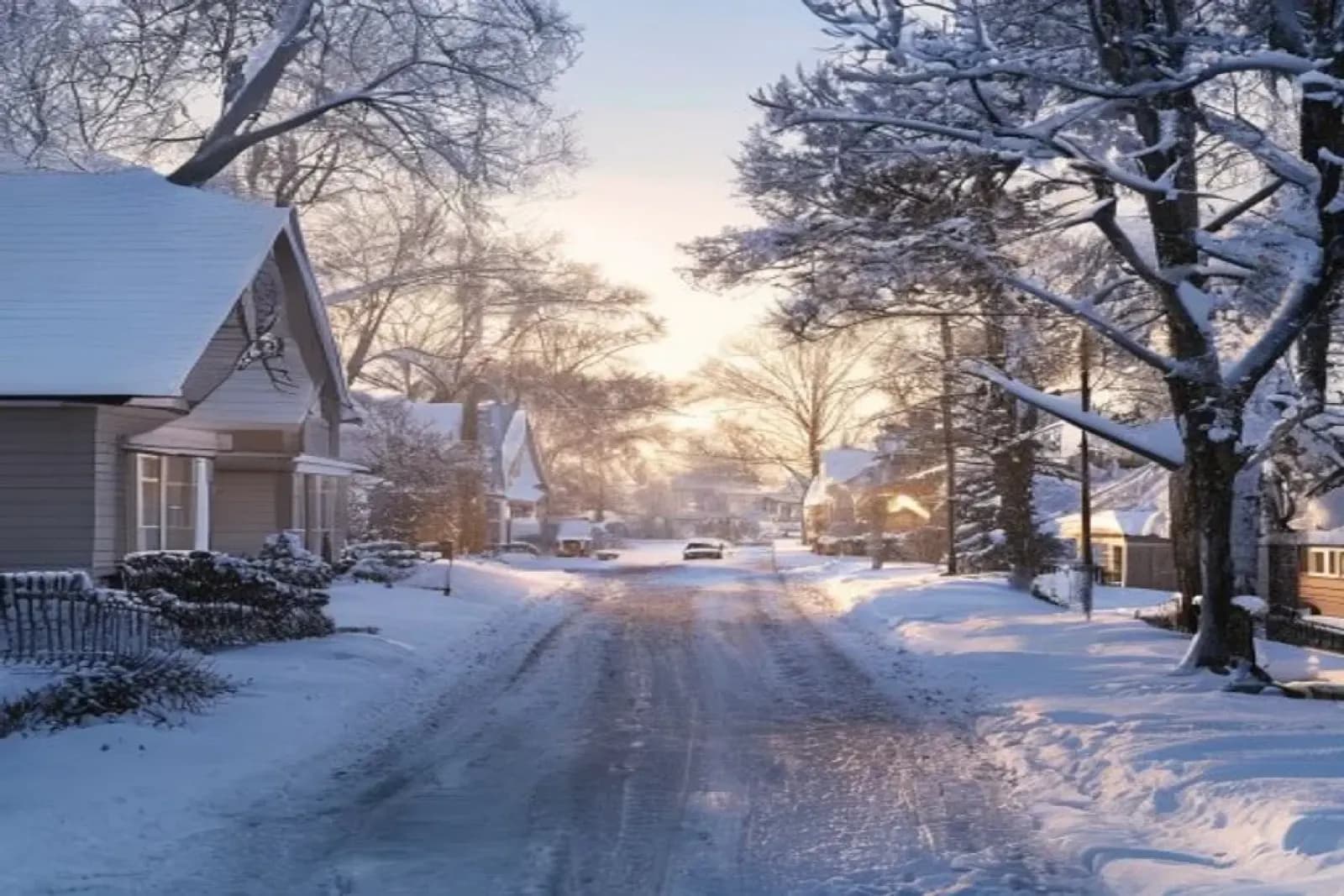
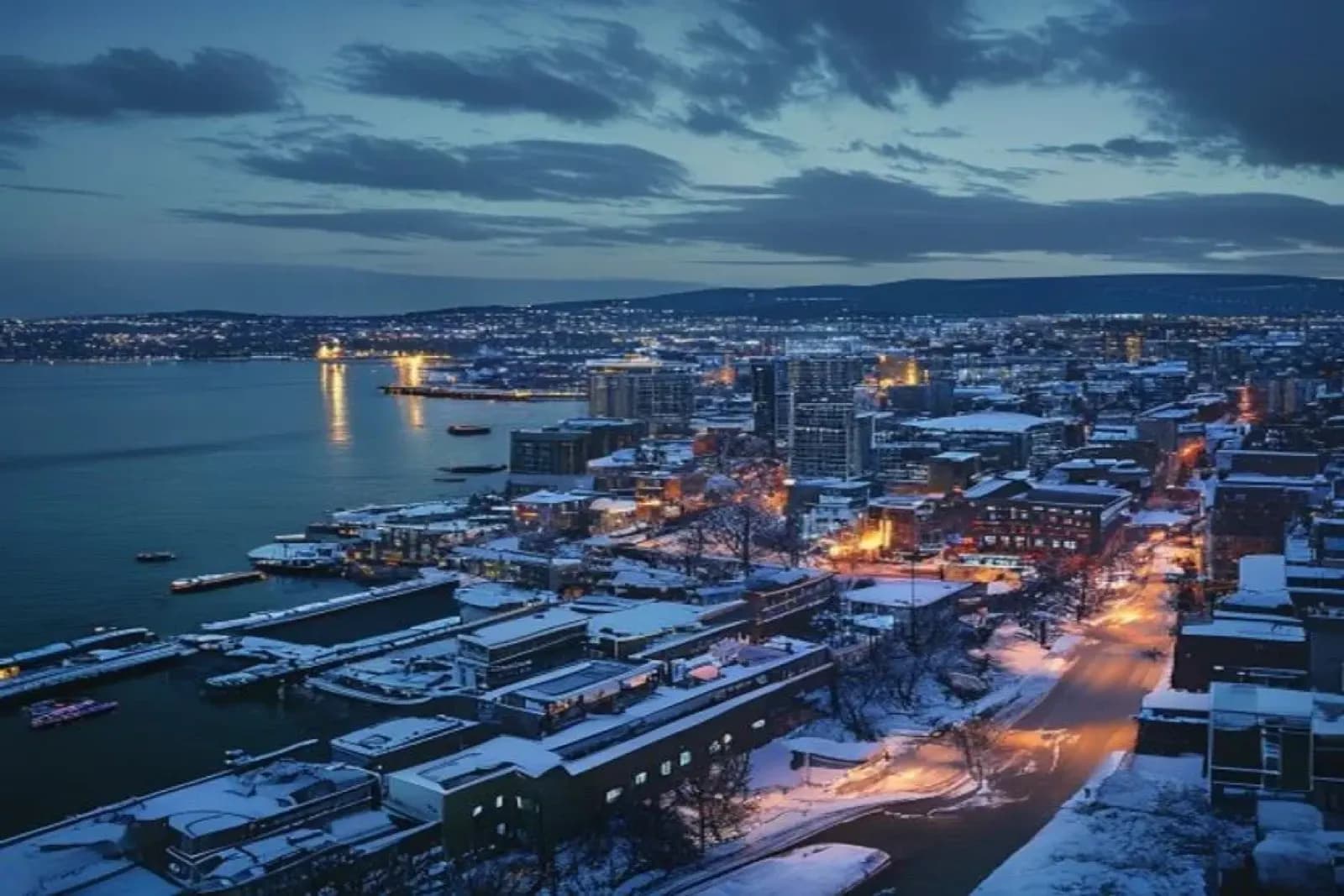
Thunder Bay gets the full force of Lake Superior lake-effect — 2.2 m a winter, and Highway 11/17 east closures isolate the city regularly. Thunder Bay's 108,843 residents, 218 cm of annual snowfall, winters averaging -13°C make this a city where sub-zero temperatures hold for weeks and season totals routinely top a metre.
Routes are built around Thunder Bay's distinct districts — Port Arthur, Fort William, Westfort, and Vickers Heights — each with its own driveway density, road-width profile, and salt sensitivity from boulevard trees. Thunder Bay operations centre on the large lots and long drive-times between properties dominate routing pattern, which dictates equipment loadout (skid-steer vs truck-mounted vs walk-behind) per zone. The depot keeps commercial reference accounts on a dedicated dispatch queue — Bombardier Thunder Bay, Resolute Forest Products, and Lakehead University are on the recurring route.
Thunder Bay operates under the Ontario Occupiers’ Liability Act and the city’s 12-hour sidewalk-clearing bylaw from end-of-storm; contracted operators are documentation-liable for the cleared interval. Every visit is GPS-tracked, insured to $5M general liability, and photo-stamped before invoice.
Thunder Bay runs as a Tier-C coverage zone — per-visit commercial dispatch via partner-crew network, seasonal residential routes through January-February, and centralised dispatch from the nearest depot. Storm-event commercial response averages 6 hours from a 2 cm trigger; residential service trips at 5 cm with morning completion. Property managers with portfolios spanning Tier-A and Tier-C cities get one contract covering both — same documentation, same billing.