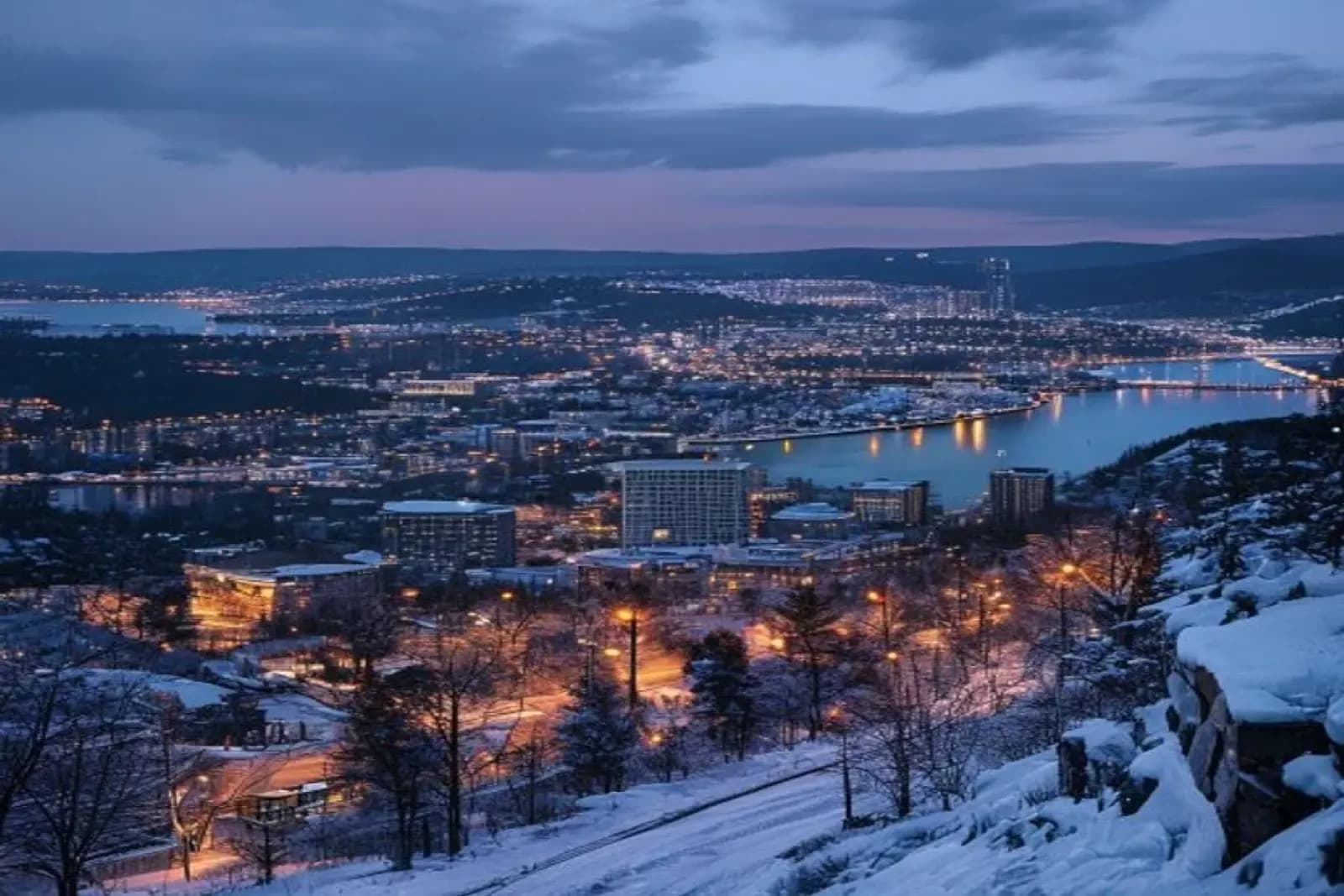
Inside Kelowna winter: freeze-thaw, ice, and the operations behind a clean route.
Kelowna sits in a rain-shadow bowl — Highway 97 hill climbs flash-freeze every December, so commercial pre-treating starts before 04:00. Okanagan valley inversions trap freezing fog that glazes sidewalks; deicer demand spikes during week-long ice-fog events. Kelowna's 144,576 residents, 75 cm of annual snowfall, winters averaging -2°C make this a city where freeze-thaw weeks alternate with cold snaps, making ice and pack the bigger operational risk than raw snow volume.
The Kelowna crew base sits inside the metro footprint with overflow capacity from neighbouring depots when a named storm hits. Major sites including UBC Okanagan, Interior Health, and Kelowna Airport rely on contracted snow programs that meet British Columbia insurance and accessibility standards. Routes are built around Kelowna's distinct districts — Downtown, Mission, Glenmore, and Rutland — each with its own driveway density, road-width profile, and salt sensitivity from boulevard trees.
Kelowna operates under the BC Local Government Act with a 24-hour sidewalk window plus a 6-month municipal-property notice period for claims, and a tighter sodium chloride limit near drinking-water watersheds. Every visit is GPS-tracked, insured to $5M general liability, and photo-stamped before invoice.
Kelowna runs as a Tier-D on-call zone — commercial dispatch on signed seasonal contract, no walk-in residential booking. Storm dispatch routes from the nearest regional depot with arrival window communicated at contract signing. Tier-D pricing reflects the routing distance and is best for commercial properties of meaningful scale (over 100,000 sq ft) or for municipal route tenders posted through provincial procurement.