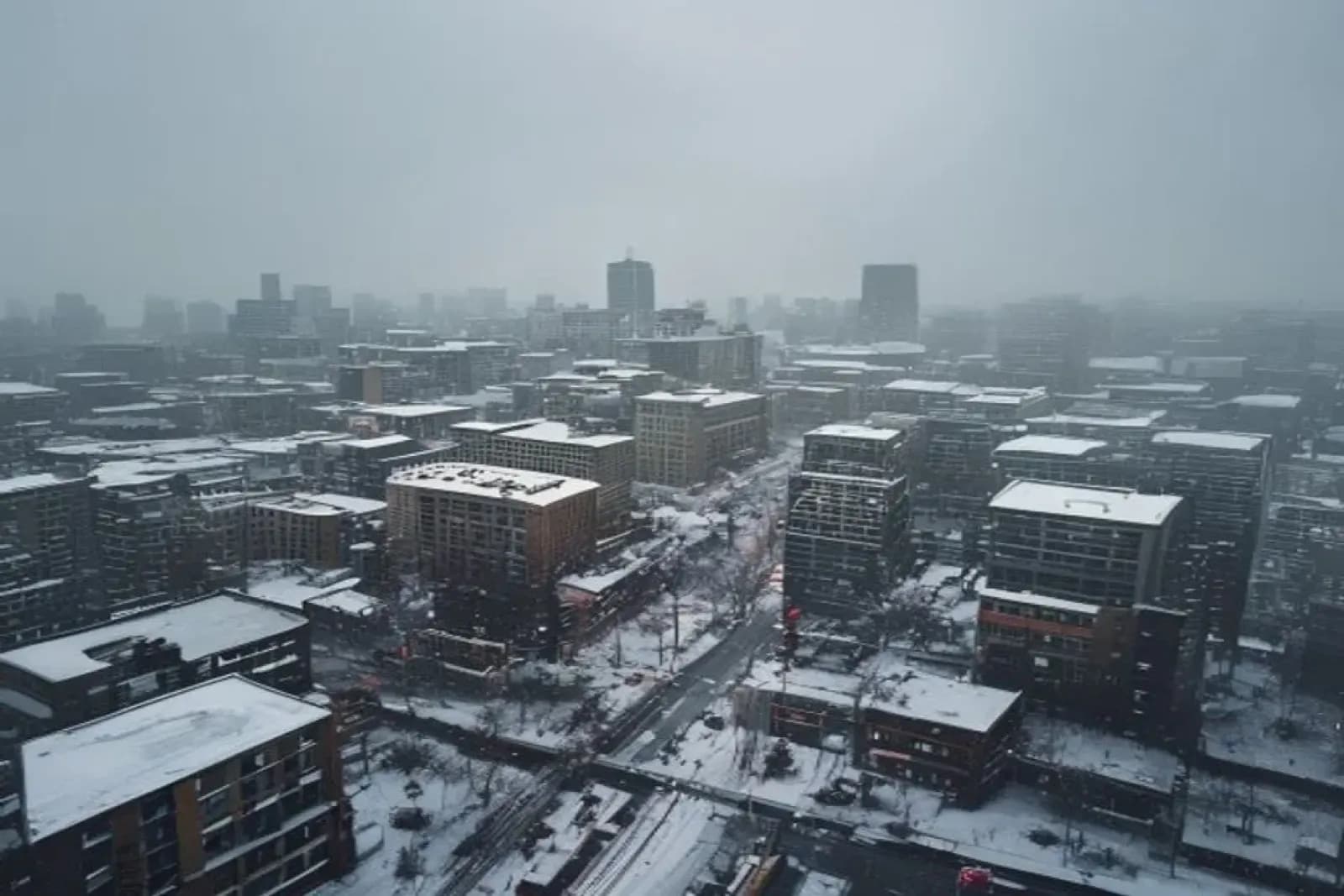
Inside Brampton winter: freeze-thaw, ice, and the operations behind a clean route.
Brampton has Canada's largest South Asian population — Diwali ice-shovel rentals spike here every November before the demographic pattern reaches other GTA cities. Brampton's 656,480 residents, 120 cm of annual snowfall, winters averaging -4°C make this a city where freeze-thaw weeks alternate with cold snaps, making ice and pack the bigger operational risk than raw snow volume.
Our Brampton depot dispatches plows, salters, and roof crews across the metro and adjacent municipalities. Large lots and long drive-times between properties dominate routing, and routes are built around that. Routes are built around Brampton's distinct districts — Bramalea, Heart Lake, Mount Pleasant, and Springdale — each with its own driveway density, road-width profile, and salt sensitivity from boulevard trees. Major sites including Loblaw HQ, Maple Lodge Farms, and Rogers Brampton rely on contracted snow programs that meet Ontario insurance and accessibility standards.
Brampton operates under the Ontario Occupiers’ Liability Act and the city’s 12-hour sidewalk-clearing bylaw from end-of-storm; contracted operators are documentation-liable for the cleared interval. Every visit is GPS-tracked, insured to $5M general liability, and photo-stamped before invoice.
Brampton runs as a Tier-A snow.ca depot — 24/7 storm-season dispatch with bilingual operations support, dedicated commercial routes for hospital, retail, and government accounts, automated $10M coverage upgrades for buildings above 200,000 sq ft, and on-site brine production for pre-storm anti-icing. Class A reference accounts in Brampton include the operations centres of Loblaw HQ, Maple Lodge Farms, and Rogers Brampton. Equipment density supports continuous monitoring during named storms.